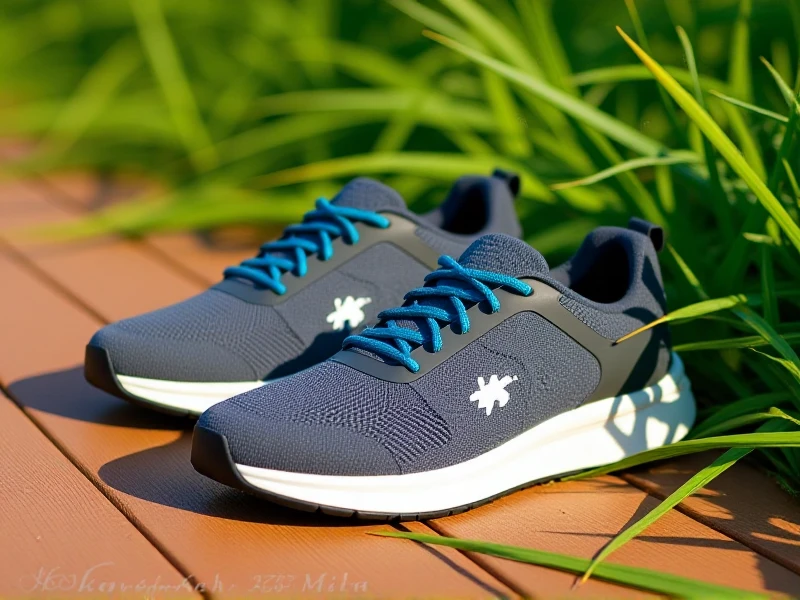
Choosing Your Perfect Pair: A Guide to Sports Shoes Performance
Here is an SEO article optimized for "sports shoes":
Finding the right sports shoes is fundamental to performance, comfort, and injury prevention, whether you're a seasoned athlete or just starting your fitness journey. The sheer variety available—running shoes, basketball shoes, cross-trainers, trail shoes, walking shoes—can be overwhelming. Understanding the key factors that differentiate performance sports shoes is crucial for selecting your ideal pair.
It all starts with matching the shoe to your primary activity. Sports shoes are engineered with specific movements in mind. Running shoes, for instance, prioritize cushioning and forward motion efficiency, often featuring higher heel-to-toe drops (like 8-10mm). Basketball shoes demand superior ankle support, lateral stability, and responsive cushioning for jumps and quick cuts. Cross-training sports shoes offer a versatile blend of support, flexibility, and stability for varied gym activities. Trail running sports shoes provide aggressive lugs for grip and enhanced protection against rocks and roots.
Beyond the activity type, focus on these core performance elements of sports shoes:
- Cushioning: This absorbs impact, translating to comfort and reduced joint stress. Level of cushioning varies widely, from maximalist plushness for long distances to minimalist, responsive feels for speedwork.
- Support & Stability: Essential for injury prevention, especially for runners with overpronation. Look for features like medial posts, guide rails, or inherently stable designs built into the midsole of supportive sports shoes.
- Fit & Upper: A secure, comfortable fit is non-negotiable. Breathable mesh uppers are standard for cooling. Ensure adequate toe room (about a thumb's width) and a lockdown around the midfoot and heel without pinching.
- Traction & Outsole: The rubber outsole needs grip suitable for your surface—durable carbon rubber for roads, softer sticky rubber or aggressive lugs for trails. The pattern influences traction significantly.
- Durability: Quality sports shoes incorporate durable materials in high-wear areas but need replacing every 300-500 miles (or 6-12 months of regular use) as midsole cushioning degrades.
When shopping for your next pair of sports shoes, consider not just the sport, but your training surface, foot shape (wide or narrow?), gait biomechanics, and any existing injuries. Visiting a specialized running or sports store for a professional fitting can provide invaluable insight. Treadmills, roads, tracks, and trails each place unique demands on your footwear.
Investing time in selecting the right sports shoes tailored to your needs pays dividends. Proper footwear enhances comfort during exercise, boosts performance potential, and most importantly, reduces the risk of common overuse injuries. Choose wisely to support every step, stride, and jump on your path to fitness goals. Step onto the court, track, trail, or gym floor with confidence in your perfectly matched sports shoes. Your feet—and your results—will thank you.